Wi-Fi 7: What are all the differences between Wi-Fi 6 and Wi-Fi 7?

February 4, 2026 - Did you know there were only 3 years between the introduction of Wi-Fi 6 and Wi-Fi 7? A fraction of the lifespan of Wi-Fi 5: 2013 – 2021. Because of that shorter period, Wi-Fi 6 is still extremely popular in 2026. It is also very tempting: due to the older technology, Wi-Fi 6 is often more affordable in many cases and there are few places (yet) where 6 GHz is truly necessary. However, it is not a very smart choice. We explain why.
Wi-Fi 6 vs. Wi-Fi 7
In short: Wi-Fi 7 Access Points are much more stable and faster than their Wi-Fi 6 counterparts. This is because Wi-Fi 7 offers more capacity and a better user experience on the existing 2.4 GHz and 5 GHz bands through Multi-Link Operation or MLO. This technology allows devices to use the 2.4, 5, or 6 GHz bands simultaneously, instead of having to choose just one, as with Wi-Fi 6. The extra 6 GHz band that Wi-Fi 6E and Wi-Fi 7 support will become very important in the future. Think of it as a new highway with plenty of space (320 MHz) and no slow traffic, because only Wi-Fi 6E and Wi-Fi 7 devices have access to the 6 GHz band.
Another advantage of Wi-Fi 7 is that interference can be bypassed to increase range. With older Wi-Fi generations, interference caused the entire channel to become unusable. This forced your AP to switch back to a much narrower and slower channel. This technology is called Preamble Puncturing. When you put Wi-Fi 6 and Wi-Fi 7 side by side, it is not surprising that Wi-Fi 6 does not outperform the test in any area.
|
Wi-Fi 6 (802.11ax) |
Wi-Fi 6E (802.11ax) |
Wi-Fi 7 (802.11be) |
|
|
Number of frequency bands |
2.4 & 5 GHz |
2.4, 5 & 6 GHz |
2.4, 5 & 6 GHz |
|
Max. speed* |
9.6 Gbps |
9.6 Gbps |
46 Gbps |
|
Channel width |
Up to 160 MHz |
Up to 160 MHz |
Up to 320 MHz |
|
Modulation |
1024-QAM |
1024-QAM |
4096-QAM (4K) |
|
MIMO Streams |
8x8 |
8x8 |
16x16 |
|
Multi-Link Operation (MLO) |
No |
No |
Yes |
|
Preamble Puncturing |
No |
No |
Yes |
Why is it better not to choose Wi-Fi 5 or Wi-Fi 6 anymore in 2026?
As we mentioned in the intro, there is only one area where Wi-Fi 6 (and Wi-Fi 5) perform better than Wi-Fi 7: price. Yet, it is not wise to focus solely on that. In 2026, we are in the middle of the transition to a world where AI will predominate. Whether you use it as a standalone tool, like ChatGPT or Google Gemini, or as part of another solution; they all need high-performance networks.
RUCKUS Networks, a major US Wi-Fi 7 supplier, wrote about this last year: “Wi-Fi 7 arrives in this moment of rising expectations; not as a gadget upgrade, but as an enabler of new business models, operational agility, and service delivery at a scale that simply wasn’t possible before”. Do you want to keep up with new innovations (AI, 8K, …) in the market? Then you need Wi-Fi 7.
4 times Wi-Fi 7 in 4 different ways
There are many Wi-Fi 7 solutions on the market, but in our opinion, these are the best. Place your order directly on our webshop, or contact us via sales@alcadis.nl or 030 – 65 85 125 for questions or more information.
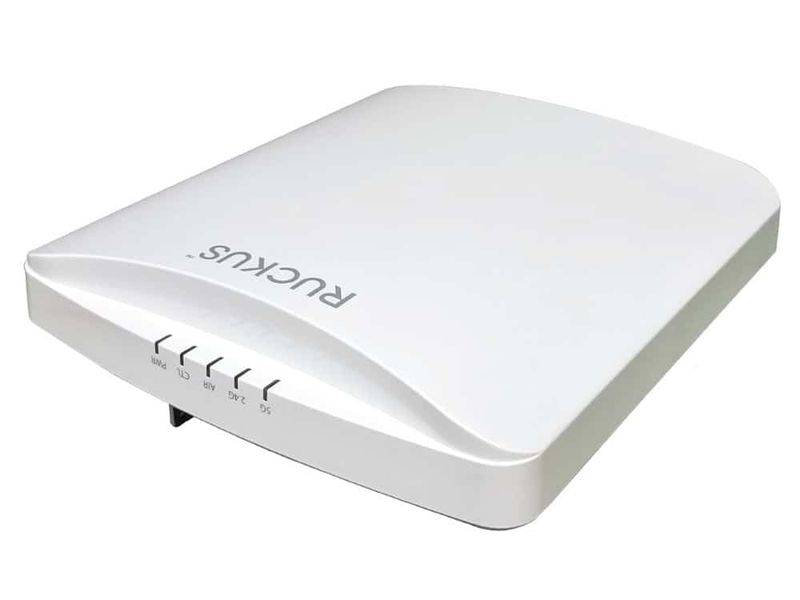
| The best high-end choice: RUCKUS R770
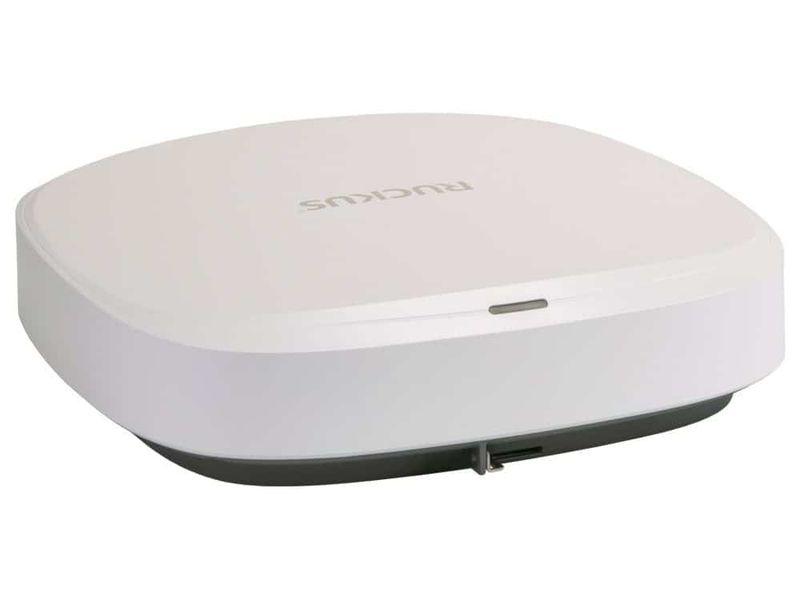
We mentioned them earlier: RUCKUS Networks. This supplier is no stranger when it comes to high-end Wi-Fi solutions and with the Wi-Fi 7 AP R770, they have the crème de la crème in 2026. Ideal for busy environments, such as shopping malls and large schools. |
|
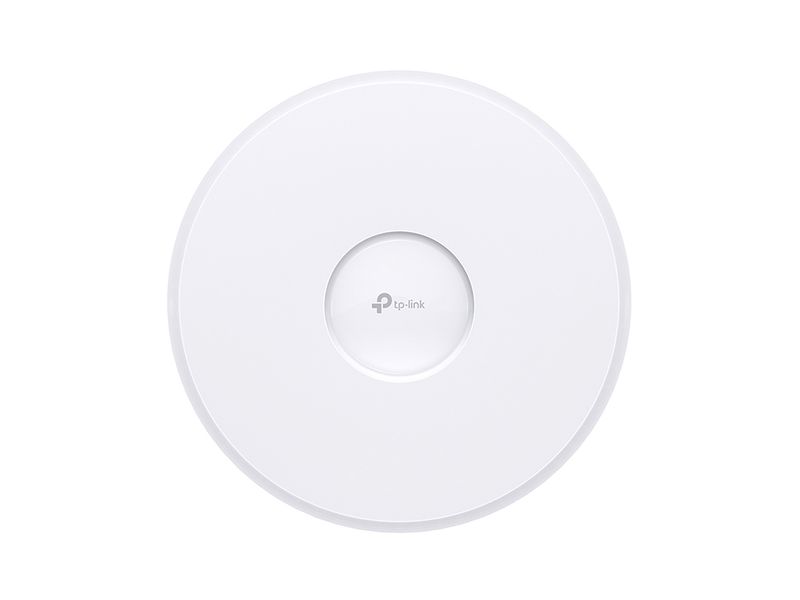
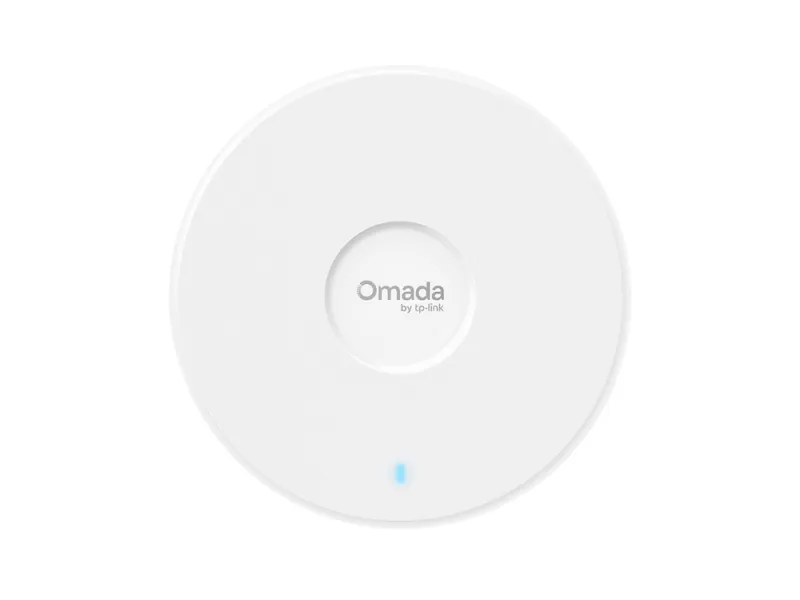
The best choice for SMEs: Omada EAP787
|
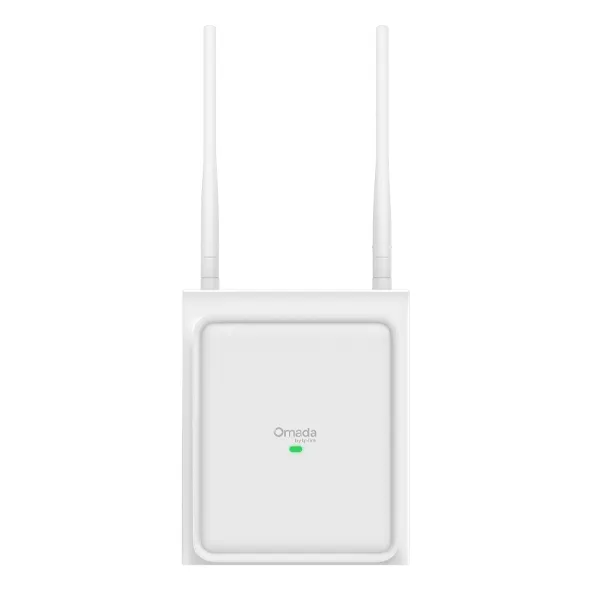
| The best choice for healthcare and industry: ALE AP1511 [Contact us for options]
Healthcare and industry are a completely different ball game than hospitality or education. Not only are there completely different products involved; various certificates are also required. The AP1511 from Alcatel-Lucent Enterprise (ALE) is one of the few Wi-Fi 7 APs that seamlessly meets these requirements. |
| The best choice for the home worker: Teltonika ALTOS [Contact us for options]
Teltonika Networks normally focuses on LTE solutions in the industrial sector, but with the Teltonika ALTOS, they are stepping out of their comfort zone. The result is one of the best Wi-Fi 7 solutions for the home worker, including support for 5G as a backup connection. |
Refine by
Display prices in:EUR